
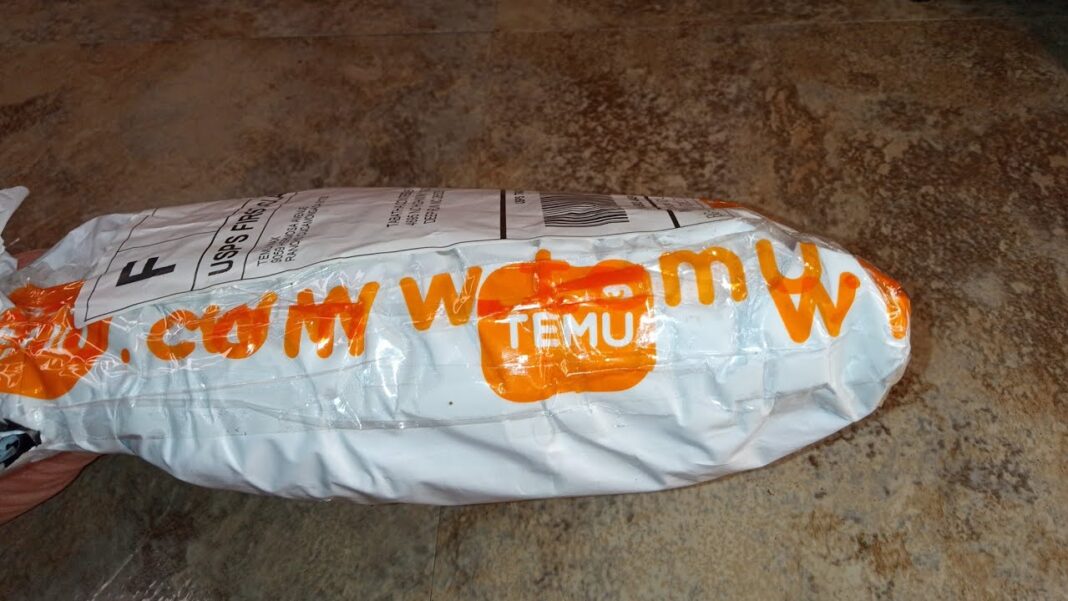


Starting Sunday, EU member states will begin collecting an EU handling fee of 2 euros per item in a customs declaration. The European Commission set the amount of the fee.
The EU rules take effect Nov. 1. The fee applies to parcels sent from non-EU countries to consumers in the EU. It was introduced because of the rapid growth of e-commerce, to help fund risk analysis, inspection and customs handling of those parcels. The fee will be collected by the customs authority that accepts the declaration.
Marcin Łoboda, head of the National Revenue Administration (KAS) and a deputy finance minister, told PAP that the handling fee will be collected on similar principles to the interim, flat-rate customs duty now in effect, which applies to parcels valued at less than 150 euros. KAS officers will collect the fee from those who file customs declarations. A duty of 3 euros per item in a customs declaration was introduced at the beginning of July this year, replacing the exemption that had been in place.
“The European Commission reports that the level of e-commerce turnover has dropped considerably since July 1. According to Commission statistics, imports of parcels containing goods with an actual value of up to 150 euros in B2C trade (that is, from business to consumer — PAP) fell by nearly 50% in countries where it had been largest so far, the Netherlands and Belgium. In Poland, the number of declarations for these parcels has fallen by about 50% since July of this year, and the number of goods items on those declarations has dropped by as much as about 75%,” the head of KAS said.
KAS data show that in 2025, more than 26 million parcels from outside the European Union were released for free circulation in Poland. Those parcels contained nearly 130 million items across various categories of goods.
Łoboda recalled that the handling fee was introduced under the new EU Customs Code and is the first operational stage of applying the new regulation. The new Customs Code took effect Sept. 20 of this year, but most of its provisions will begin to apply on Sept. 21, 2027, and the entire reform resulting from the new rules will be implemented by 2034.
“From the consumers’ perspective, the most important changes will concern online purchases of goods from outside the EU. The reform provides for shifting a larger share of customs obligations onto entities engaged in distance selling, including sellers and sales platforms. These entities will be responsible for passing data to customs authorities, settling payments due, and ensuring that goods comply with EU requirements,” the head of KAS explained.
Since July 1, 2026, the rules for parcels containing goods purchased outside the EU have changed across the European Union. Until then, parcels worth up to 150 euros were exempt from customs duty, which changed at the start of July. The customs duty is calculated separately for each type of goods in a parcel. European regulators argued that the measure is intended to increase control over goods arriving in the EU and to curb the undervaluing of parcels. (PAP)
