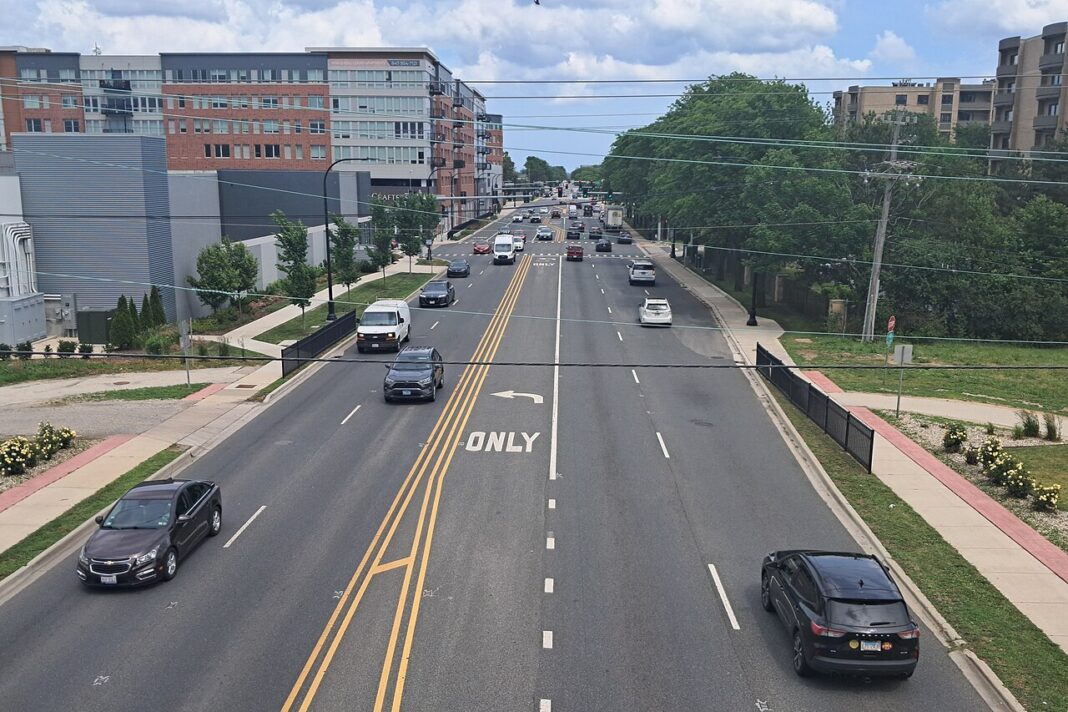


Chicago drivers may be receiving speed camera tickets even when they have not broken the law, according to an ongoing investigation by the I-Team at ABC7. The city earns millions of dollars from such fines.
One driver, Glenn Nelson, received a speed camera warning for driving 36 mph in a 30 mph zone on the 7500 block of West Touhy Avenue, near St. Juliana School. After reviewing the device’s calibration records, he began to doubt that he had actually exceeded the threshold at which a ticket is issued. His case has already gone to circuit court.
Documents the I-Team obtained under the Freedom of Information Act (FOIA) show that this camera and four others in Chicago were accurate to within 0.62 mph. According to Nelson, the recorded 36 mph could therefore have been as low as 35.38 mph. The Chicago Department of Transportation (CDOT) said in 2025 that speed cameras can be off by plus or minus 1 mph, and that the devices meet Illinois law and national standards.
Critics argue that even a small margin of error matters when tickets are issued for speeding 6 to 10 mph over the limit near schools and parks, and for 11 mph and more. New data from the city’s Department of Finance show that in 2025, fines for driving 6 mph over the limit brought in nearly $21 million, and fines for 11 mph over the limit brought in close to $9 million.
From the start of the year through the end of August, more than 550,000 tickets were issued for exceeding the limit by 6 mph and about 67,000 for exceeding it by 11 mph. Together they brought in nearly $20 million. Mark Wallace of the group Citizens to Abolish Red Light Cameras believes the city failed to account for the margin of error, and he is calling for a serious audit of the program.
The company that owns the cameras referred questions to the city. CDOT has not updated its earlier statement, in which it said the cameras meet the accuracy standards required by state law and federal guidelines.
Source: ABC7 Chicago
KN
Source: Polski.FM