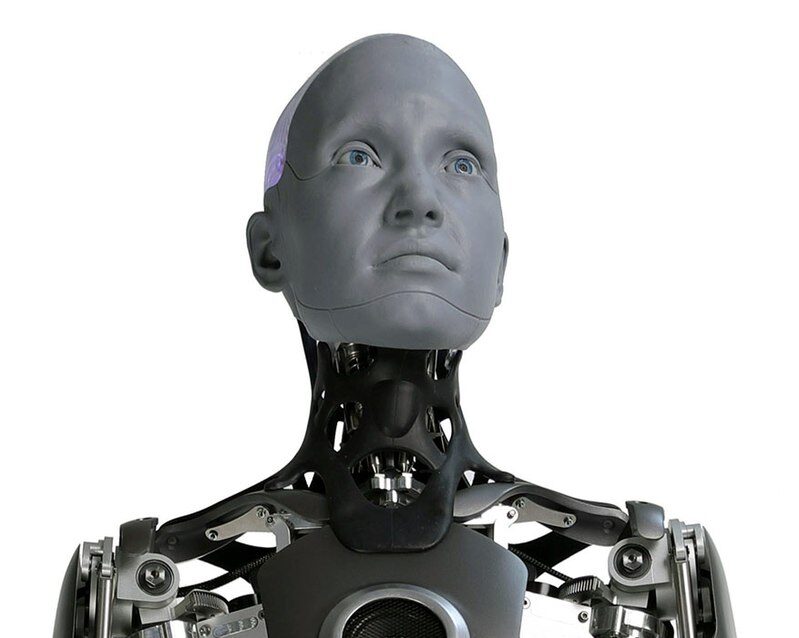


Humanoid household robots will enter the U.S. market within five to 15 years, and the economic effects will be felt for decades and will be staggering. Let’s hope it doesn’t turn out that most people end up competing with them for energy, capital, land and work, according to the cover story of The Economist.
For a long time, it seemed easier to replicate people’s intellectual abilities than the dexterity and flexibility of their bodies. Artificial intelligence solves the hardest math problems, yet a robot couldn’t make a bed. That will soon change, the weekly forecasts.
Progress in building ever more capable robots is accelerating thanks to the same scaling effect that is making artificial intelligence develop faster and faster. Engineers are using techniques applied in building large language models (LLMs).
Advanced AI may soon speed up the development of robotics itself. The abilities and capability of LLMs connected to robots are doubling every two months, The Economist notes.
Even robot prices are starting to fall; over the past two years, the average cost of such a Chinese humanoid machine has dropped by 72%.
The implications of the arrival of robots capable of taking over many kinds of physical work from humans “will be dizzying,” the weekly predicts.
Labor will become cheap, so companies will not want to move production abroad in search of cheaper workers. On the other hand, many products will become far cheaper, and a great many jobs will disappear, including in the service sector, which has long resisted any automation. People may “compete with robots for energy, capital, land and work,” The Economist warns.
“Perhaps people will still be needed to manage and direct robot systems, oversee them and repair them (…). People may also prefer that certain jobs be done by other people. Would an orchestra made up of robots justify the price of tickets (to a concert)?” the editorial team wonders.
In just a few years, astonishing advances in AI have left the world stunned. It is high time to prepare for the arrival of robots, the weekly recommends in closing.
Source: PAP