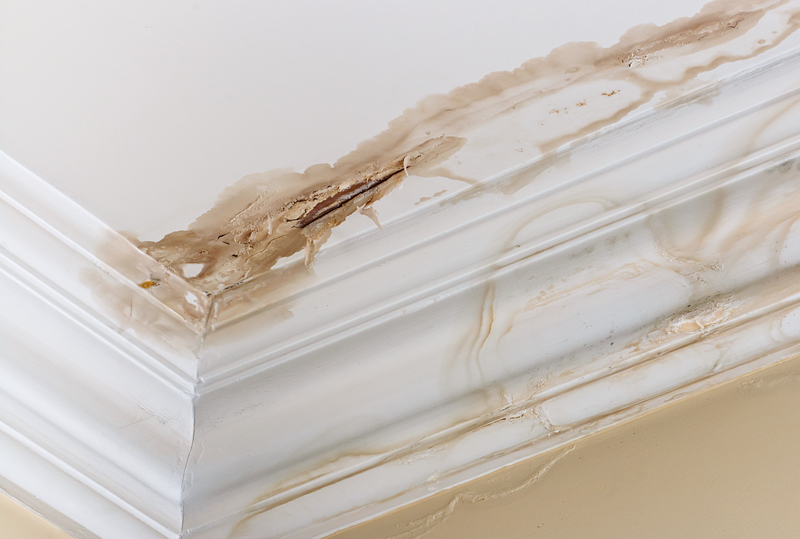


The Tampa Bay Times reports on a homeowner whose insurer refused to pay for water that poured into her house during heavy rains. The newspaper explains how to check your coverage and what to do to avoid such a situation in the future.
A reader wrote to the newspaper that during the downpours, water soaked the carpet in her family room and ruined many items in her garage. Her insurance company told her that the policy does not cover the flooding. According to the response published by the Tampa Bay Times, a denial like that should not be accepted right away. Instead, homeowners should carefully check the scope of their coverage and how the water got into the building.
The first step is to find out whether the homeowner already has a separate flood policy. A lender may have required one when the home was purchased, or the buyer may have taken over a policy from the previous owner. Sometimes a person bought one long ago and forgot about it because the premium is collected through the escrow account on the mortgage. It is worth reviewing the escrow statement and the closing documents, or asking an agent. Condo residents should check whether their association carries flood insurance for the building.
The second step is to determine the cause of the flooding. A standard homeowners policy does not cover flooding, meaning water that comes in from outside and pushes its way into the house. If part of the damage occurred in another way, for example through water that entered via a roof damaged by the storm, it may be covered. In that case, the homeowner should ask the insurer to reconsider the claim.
For the future, the newspaper points to separate flood coverage. It can be bought through the federal National Flood Insurance Program (NFIP) or from a private insurer. Private policies may have higher limits, and many of them cover living expenses during repairs. Waiting periods matter: private companies sometimes impose a waiting period of a week or two, but it depends on the insurer. The NFIP usually has a 30-day waiting period from the time of purchase, with exceptions, for example when the policy is bought in connection with a mortgage.
According to data cited by CBS Miami, the average annual premium for flood insurance in Florida is about $894. A policy cannot be bought just before a storm arrives, so experts recommend arranging it well in advance. People who do not know what their policy covers should contact a licensed insurance agent.
Source: Tampa Bay Times
KN
Source: Słoneczne Radio