


California residents will decide in Tuesday’s vote whether the state will adopt a one-time 5% tax on the wealth of billionaires, defined by the proposal’s backers as people whose net worth exceeds $1 billion. If Proposition 40 passes and takes effect, California will become the first U.S. state to impose such a levy. Most of the revenue from the new tax would go toward filling the gap left by federal cuts in health care funding.
The measure is backed by, among others, Sen. Bernie Sanders of Vermont and Sen. Elizabeth Warren of Massachusetts, who have long advocated taxing the wealthiest Americans. Sanders presents the initiative as a way to reduce economic inequality. A rather surprising opponent of the proposal, however, is California’s sitting governor, Democrat Gavin Newsom. The governor warns that the tax could prompt the state’s wealthiest residents to leave and cause a drop in budget revenue from other taxes. Newsom also supports a nationwide minimum tax on people whose wealth exceeds $100 million. Ahead of Sanders’ rallies in October, he acknowledged that he agrees with the senator on the importance of the problem of wealth inequality, but said they fundamentally differ in how they assess the methods of solving it.
According to economists’ estimates, California could lose $100 billion in federal health care funding over five years. Supporters of the tax argue that the new revenue would help keep public medical services available. Opponents point to the risk of capital leaving the state and to uncertainty over how the money raised would be distributed. The coalition opposing the initiative has also been joined by organizations usually associated with Democrats, including Planned Parenthood and the California Teachers Association.
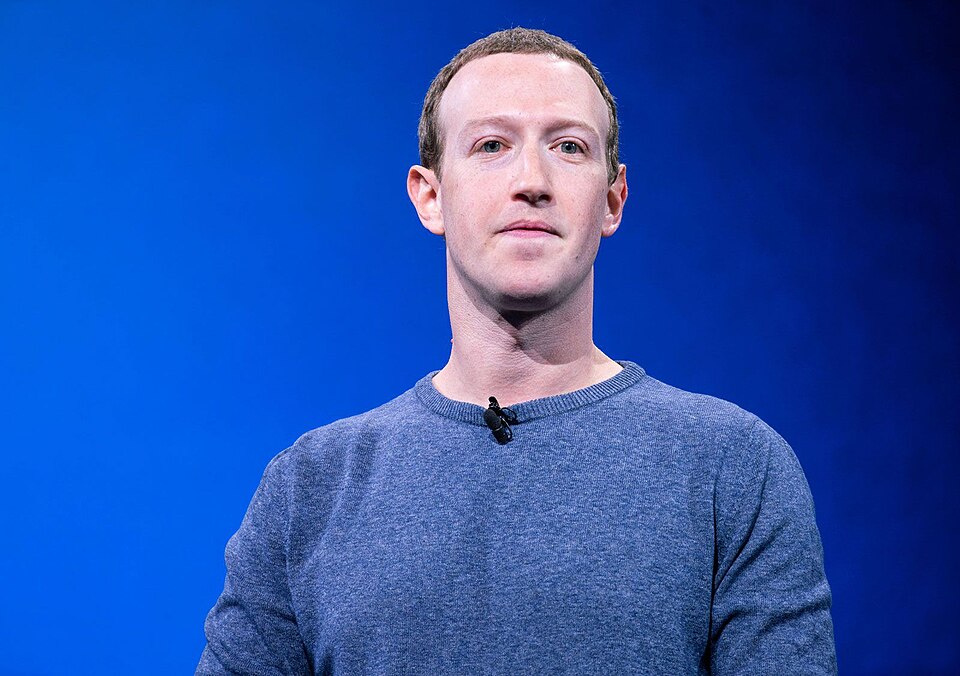
After the Proposition 40 ballot initiative was announced, some billionaires began to scale back their ties to California, including Google co-founders Sergey Brin and Larry Page. Meta head Mark Zuckerberg took a different approach. He said he would remain in the state for eight years and reached an agreement with his company that is meant to help him fund the payment of the tax owed without having to sell shares.
Edited by JŁ
