



The Day of the Dead and All Souls’ Day are a time that prompts us to reflect on the passing of time and the transience of life. They are also a special occasion to remember, and to turn our thoughts to, those who are no longer with us. In this article, we recall well-known figures and activists of Polonia, the Polish diaspora, who for many years shaped what happened in our community and who died over the past year, since last year’s All Saints’ Day.
***
Lillian Marietta Cyran – She was a Polonia activist and co-founder of the Marie Skłodowska-Curie Professional Women’s Association and the Polish American Teachers Association. She died on November 17, 2025, at the age of 100. She was born on January 10, 1925, on Manhattan’s Upper East Side, the youngest of three daughters of Polish immigrants Michał and Maria Cecylia Jarosz. She attended local public schools in New York and enjoyed school modern dance clubs. A graduate of Hunter College, where she earned a bachelor’s degree in education, she went on to earn a master’s degree from the City University of New York. In 1954, she married Michael Cyran. In 1959, their family moved to Maspeth. She worked in the New York City public school system as a teacher, and she taught at an elementary school in Greenpoint until she retired in 1985. From her student days she loved modern dance, and in later years folk dance as well. She loved nature, hiking and being outdoors, and she liked spending time with her four sons and her grandchildren. She was proud of her Polish heritage and throughout her life held important roles in Polonia cultural organizations, especially the Marie Skłodowska-Curie Professional Women’s Association and the Polish American Teachers Association, both of which she co-founded. She had a warm, active personality and was known for her generosity and willingness to help others.
Lillian Marietta Cyran was laid to rest at St. John’s Cemetery in Middle Village, Queens.
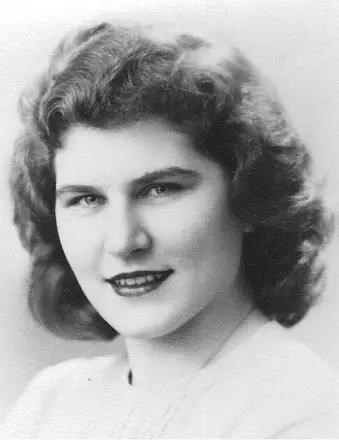
Michał Urbaniak – He was a jazz legend and icon, a Polish artist of worldwide fame. He died on December 20, 2025, in Warsaw, but spent a very large part of his life in New York. He lived to be 82; he was born on January 22. He won international renown through his work with Miles Davis on Davis’s album “Tutu,” recorded in 1985, and through later concerts with the legendary jazzman. Michał Urbaniak was a violinist, saxophonist, arranger and composer, also known as a co-creator of fusion music, which combines rock with jazz, to which he later added rap and hip-hop. He recorded dozens of albums of his own and also composed music for films and theater productions. The artists he played and worked with, besides Miles Davis, included other jazz greats such as Quincy Jones, Freddie Hubbard, Elvin Jones, Herbie Hancock, Chick Corea, George Benson, Billy Cobham, Wayne Shorter, Marcus Miller, Stephane Grappelli, Joe Zawinul, Ron Carter, Kenny Barron, Buster Williams and Mike Flythe. He performed at famous jazz clubs, including the Blue Note, Village Vanguard and Sweet Basil, and in prestigious concert halls such as Carnegie Hall, the Beacon Theatre and Avery Fisher Hall. He also played at the world’s most important festivals, and in 1971 he won the Grand Prix of the Montreux festival as best soloist. He was honored and awarded many times. In 1992, his name appeared among the jazz stars in first place in five categories of a poll by the influential magazine “Down Beat.” In 2016, he received the Golden Fryderyk (a Polish music award) for lifetime musical achievement, and in 2020 he was awarded the Gold Medal “Meritorious to Culture Gloria Artis.” He was an artistically fulfilled man, but he never settled for living off his popularity. His thoughts always ran ahead to the future, and he constantly wanted to create new projects, compose music, perform and record albums. In interviews he often stressed that he had “a passion that never fades” and “more ideas than opportunities to carry them out.” Although he won recognition around the world, he never put on airs and did not like being identified with lofty terms referring to his achievements. Since 2024, he had struggled with various illnesses and health complications. He died a month before his 83rd birthday. He was buried in the Avenue of the Distinguished (Aleja Zasłużonych) at the Powązki Military Cemetery in Warsaw.
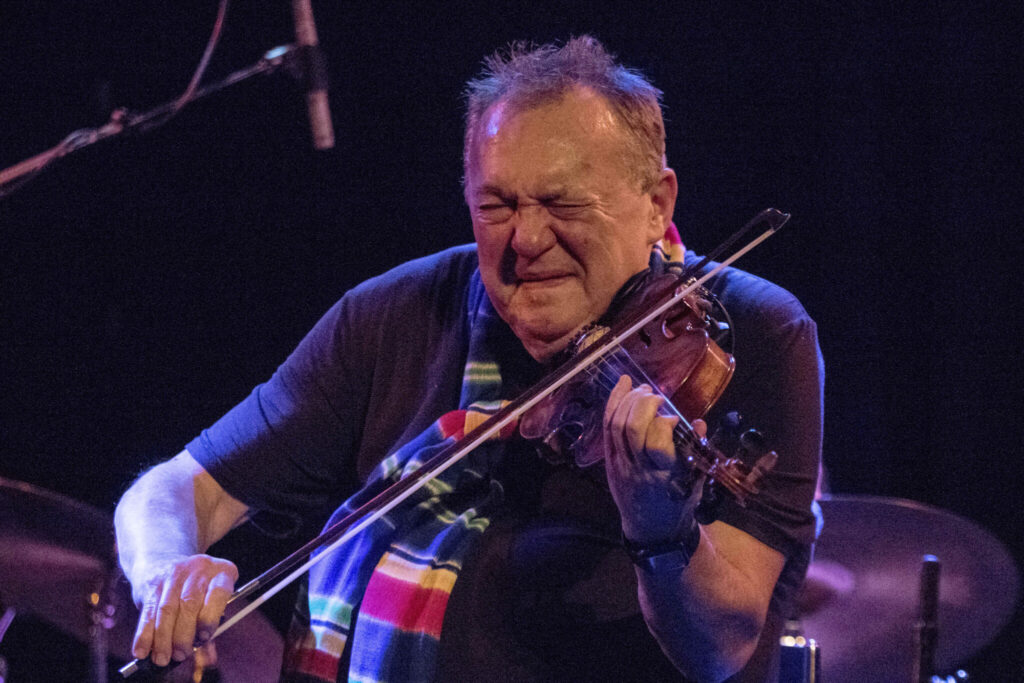
Krzysztof Nowak – He was a Polonia activist, an attorney, and a co-founder and longtime president of the Katyn Massacre Memorial Committee in Jersey City. He died on January 2, 2026, at the age of 74. He was born on December 29, 1951, in Warsaw, from where he emigrated to the United States with his parents in 1965. His father was a soldier of the Home Army and a Warsaw Uprising insurgent. Krzysztof Nowak graduated from Rutgers University and then ran a law practice in Old Bridge, New Jersey. He belonged to many Polonia organizations, serving, among other roles, as a director in the New Jersey division of the Polish American Congress. He was also active in the Falcons organization and was an active, committed member of the John Birch Society. He also handled the legal work involved in establishing the Katyn Massacre Memorial Committee, and then coordinated the formalities concerning the location and construction of the Katyń 1940 monument by Andrzej Pityński, which was unveiled in April 1991. For many years, until his death, he served as the committee’s president. He also organized anniversary ceremonies and other events at the Katyń 1940 monument. He had struggled with cancer for many years and ultimately lost that fight. He was laid to rest at the cemetery at the American Częstochowa in Doylestown, Pennsylvania.
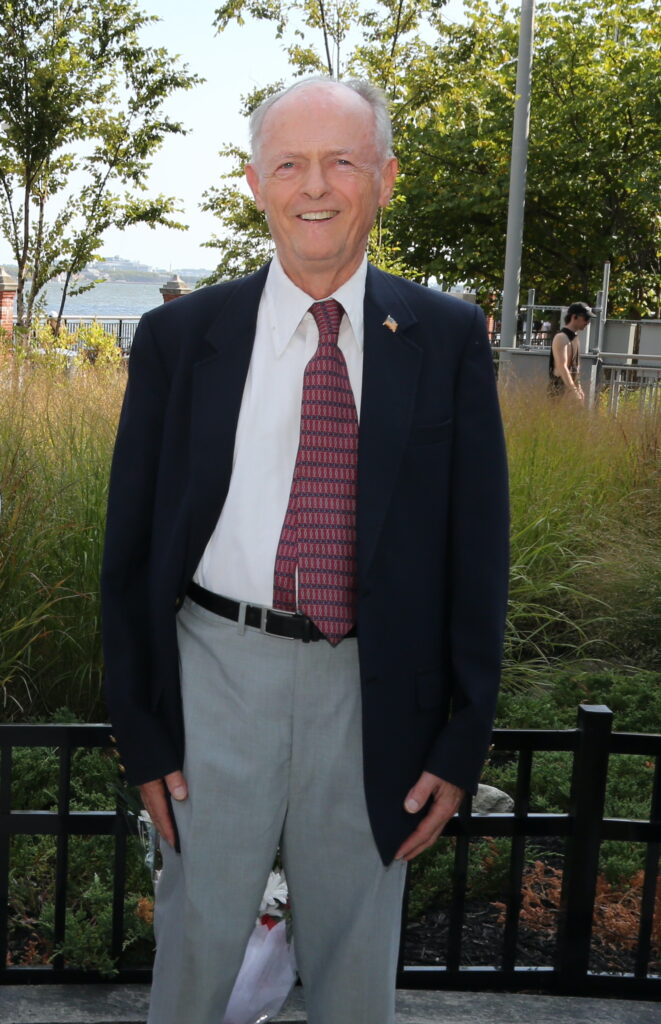
Irene Krulewski – She was a Polonia activist and co-founder of the Marie Skłodowska-Curie Professional Women’s Association. She died on January 13, 2026, at the age of 95. She was born and raised in Greenpoint, where she attended St. Cyril & Methodius Elementary School. She was also a model at Grace Downs. She began her professional career as a seamstress, sewing wedding gowns for Bridal Shop and Vogue-Butterick Patterns. She loved the work so much that she also sewed the gown for her own wedding to John, whom she had met while dancing. After the wedding, they moved to Park Slope and later to Dyker Heights in Brooklyn. Her drive for education was so strong, however, that while married and raising three children, she began studying at the evening college of Fashion Arts New City High School; after finishing, she taught there and ultimately became dean of students and adviser to the Junior and Senior Honor Societies. She is an example of a true American of Polish descent who always cherished her Polish cultural heritage. She served eight terms as president of the American Polish Hi-Hatters Ladies Auxiliary, and she was also a member of the Polish American Teachers Association, where she likewise served as president. The same was true of the Marie Skłodowska-Curie Professional Women’s Association, an organization whose purpose is charitable and educational activity, supporting the cultural, social and economic development of its members, promoting patriotism, and upholding high standards of integrity and honor. The mission of the association, which is still active today, also includes helping young Polish women succeed and providing them with scholarships to help them complete their studies. Irene Krulewski will be remembered as a warm and caring person, always willing to help. She was also energetic and had firm views. Family was always the most important thing to her, and she loved spending time with it. She was laid to rest at St. Charles Cemetery on Long Island.
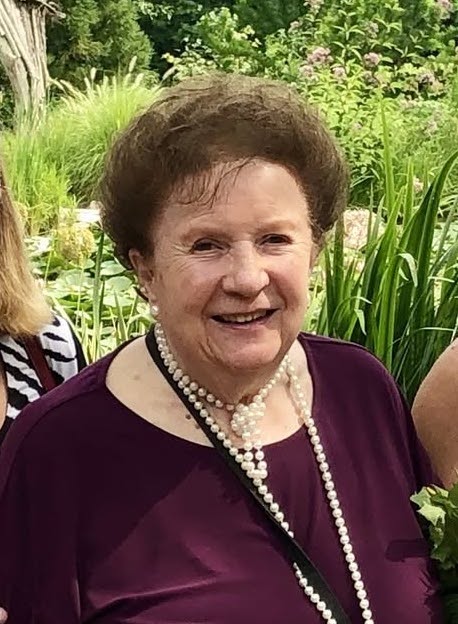
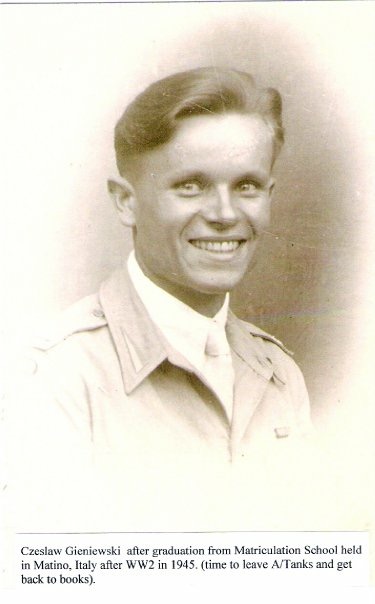
Czesław Gieniewski – He was a Siberian deportee and a war veteran. He died on February 7, 2026, at nearly 102 years old. He was born on March 21, 1924. As a teenager, he was deported to Siberia with his family. He later joined the army then forming under Gen. Władysław Anders. He was assigned to the 7th Independent Anti-Tank Artillery Regiment. With it, he took part in fighting in Africa, as well as in the battles of Monte Cassino, Ancona and Bologna. He took part in all the fighting of the 2nd Polish Corps against the Germans. After the war, he continued his education in Italy, England and the United States. In England, he married Krystyna Gottówna, a cultured and educated Siberian deportee who, like him, was the child of a soldier of Piłsudski’s Legions and a soldier of the 2nd Polish Corps. In early 1950, they arrived in the United States, where he had guaranteed employment at the Central Laboratory of Celanese Corporation in Summit, NJ. In 1958, he took a job at the famous Bell Atlantic Laboratory in Murray Hill, NJ, as a research engineer. He worked there for 33 years, until he retired. Czesław Gieniewski was laid to rest at the American Częstochowa in Doylestown, Pennsylvania.
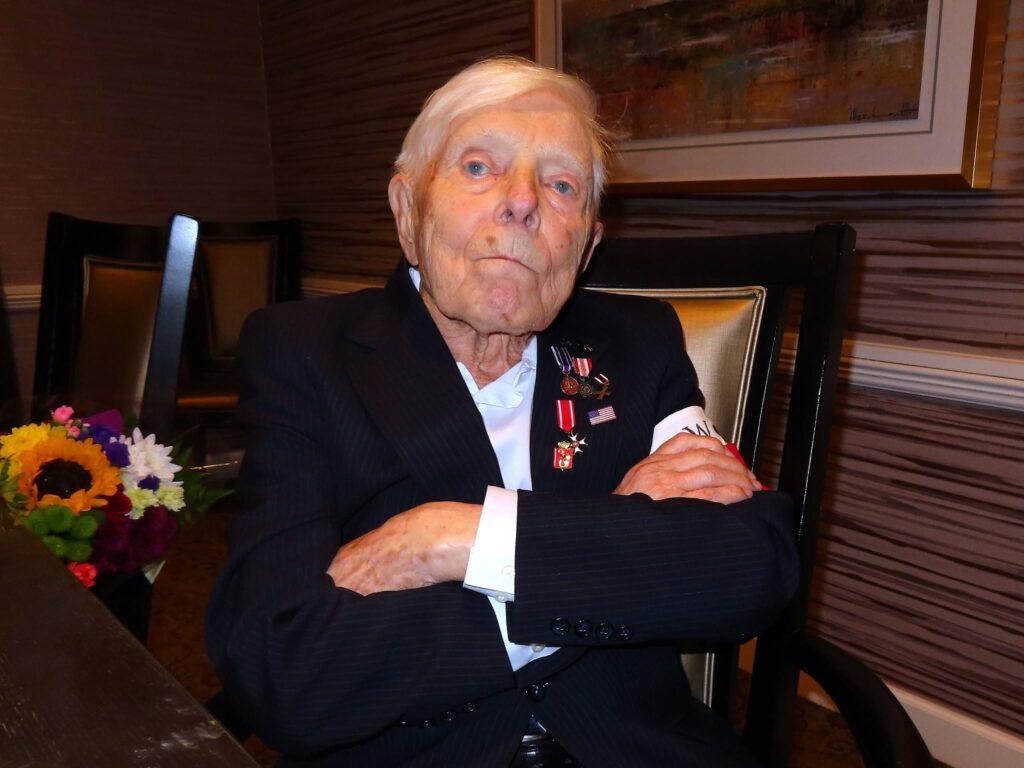
Jerzy Karol Malewicz – He was one of the last participants in the Warsaw Uprising living on the U.S. East Coast. He died on March 23, 2026, at the age of 97. He was born on October 4, 1928, in Sierpc. He was the son of Maj. Stanisław Malewicz and Lt. Wanda Malewicz, née Łazarowicz, a volunteer nurse in the 1920 Polish-Soviet War. He was not yet 16 when he went to fight for a free Warsaw with a bottle of gasoline. He was a member of, among others, the “Sienkiewicz” group, District III “Wola,” the “Komar” company, the “Gozdawa” battalion and the 2nd Assault Company. He used several pseudonyms: Jan, Janek and Jan Kowalski. In the fighting for the Old Town, he suffered severe head wounds (his helmet was shot through) and wounds to both legs and his left arm. At least four times, both during the uprising and after it ended, he managed to “escape death.” After the war, he built his career in electronics engineering, working for international companies. He remained faithful to the values that had shaped his life. In 1965, he emigrated to the United States, where, with a two-year break, he lived until his death. For his service and heroic conduct during the Warsaw Uprising, and for his commitment to preserving Poland’s historical memory, he was awarded the Cross of Valor, the Home Army Cross, the Polish Army Medal, the Badge of a Veteran of the Struggles for the Homeland’s Independence, the Grunwald Badge and the Knight’s Cross of the Order of Polonia Restituta. He was a proud World War II veteran with the rank of senior sergeant who enjoyed all the privileges due American veterans. Even the license plate on his car – 44JKM Veteran – reflected his attachment to military service. Until the last days of his life, he willingly recalled the Warsaw Uprising, which he spoke about often and in great detail. He also worked closely with the Warsaw Rising Museum and sought to have his father, Dr. Stanisław Malewicz, a victim of the Katyn massacre, commemorated in Sierpc. In October 2013, accompanied by his daughter Mary Malewicz-Carter, he took part in the landmark hearing of the Grand Chamber of the European Court of Human Rights in Strasbourg, France, in the case of “Janowiec and Others v. Russia.” Their presence underscored the Malewicz family’s longtime commitment to preserving the truth about the Katyn massacre and to seeking justice in connection with the fate of Maj. Stanisław Malewicz. By appearing before the court on October 21, 2013, they joined other descendants of Katyn victims, bearing witness both to the historical injustice and to the decades-long struggle for recognition of the truth waged by the victims’ relatives across Poland. Although the court’s ruling was limited in scope, the case itself drew international attention to the moral and historical dimensions of the Katyn tragedy. He also sought to restore to Polish culture the world-famous painter Kazimierz Malewicz (Kazimir Malevich), who was a distant relative of his. Throughout his life, he was also actively involved in social and civic causes, both in Poland and in the United States. He was also a man of strong convictions and a distinctive personality – determined, disciplined and unwavering in his views. Jerzy Karol Malewicz was laid to rest in the Pantheon of Soldiers of the Polish Underground State (Panteon Żołnierzy Polski Walczącej) at the Military Cemetery at Powązki in Warsaw.
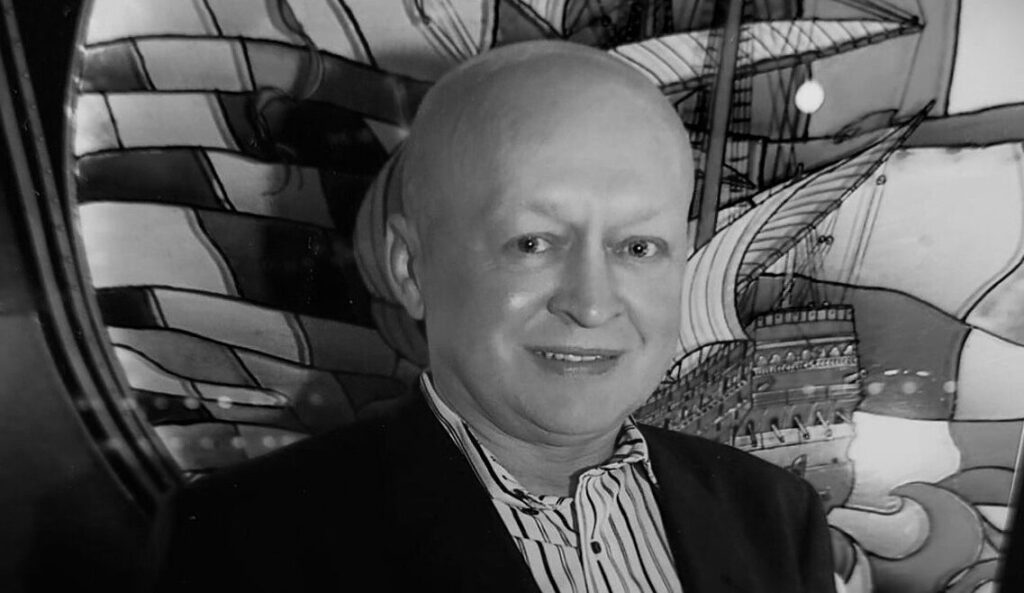
Jan Wiśniewski – He was known in the Polonia community as the manager of several Polish artists, particularly Czesław Niemen and Irena Jarocka. He died at home, but he lived alone, so the exact date of his death is not known. He most likely died overnight between March 12 and 13, 2026. He lived to be just under 72; he was born on June 24, 1954. As a former music impresario, he was a “walking encyclopedia” of information about Polish show business in the 1980s and ’90s. He often appeared on Polonia radio stations that no longer exist – Polskie Radio Rytm and Polskie Radio 910 AM – where he willingly talked about various artists, their concert tours, their lives offstage and anecdotes about them. He came to the United States in 1988, at the age of 33. Unfortunately, he was in very poor health. In 1998, he suffered a heart attack, and while being treated in the hospital he developed further health complications. After open-heart surgery, he began having kidney problems, and one of his kidneys stopped functioning, forcing him to undergo dialysis. After waiting about ten years for a transplant, he received a healthy kidney, which his body rejected during the pandemic, right after he received a vaccine. His health then deteriorated even further. Despite his health problems, however, he remained incredibly positive about life and enjoyed every new day. He liked to look back on the time when he was the manager of Irena Jarocka, Czesław Niemen and several other artists. He shared those stories because that was the happiest and most beautiful period of his life.
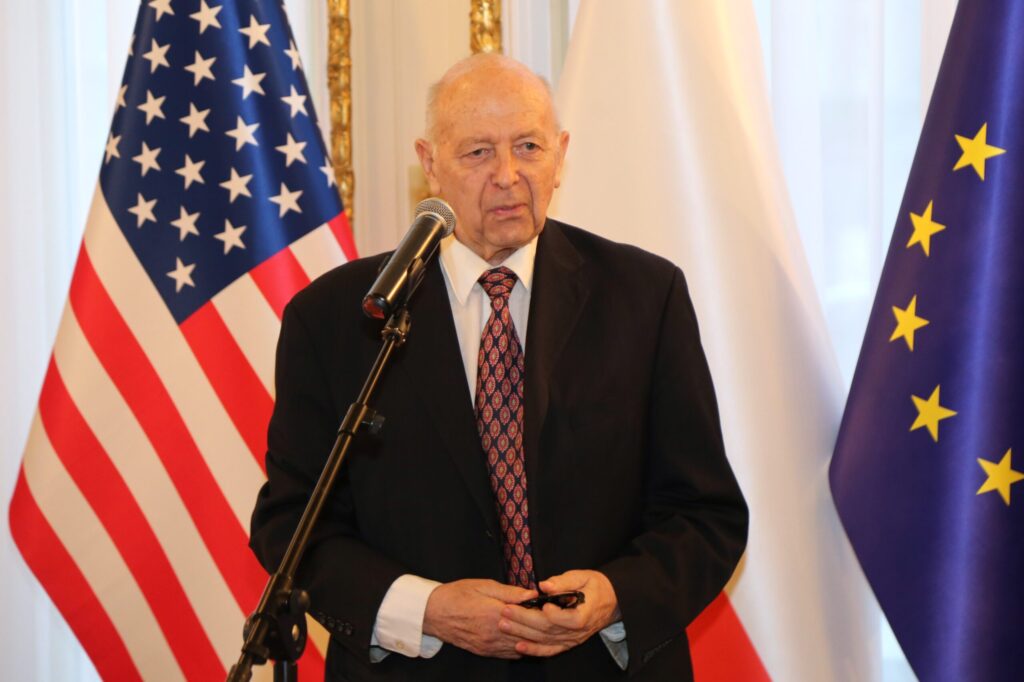
Dr. Eng. Janusz Romański – He was a well-known Polonia activist and community leader, commander of District 10 of the Polish Army Veterans Association of America (SWAP) and a member of the SWAP National Board, as well as honorary president of the Association of Polish Engineers and Technicians “Polonia Technica” and Honorary Grand Marshal of the 2025 Pulaski Parade. For many years he also worked with Nowy Dziennik, a Polish-language daily, where he published his articles. Because he lived alone and died at home, the exact date of his death is not known. Police reported his death on July 7, 2026. Besides the organizations mentioned above, Dr. Eng. Janusz Romański was active in and belonged to other important Polonia institutions, including the Kosciuszko Foundation, the Polish American Congress (Eastern Pennsylvania District), the Józef Piłsudski Institute, the Polish Institute of Arts and Sciences of America (PIASA), the Philadelphia Heritage Society and the Polish American Cultural Center. He was also a specialist in materials engineering. For more than 45 years, he devoted himself to teaching and research at various universities, including the Gdańsk University of Technology, Drexel University in Philadelphia, PA, and Widener University in Chester, PA. He published more than 60 articles in respected scientific journals and presented them at numerous conferences and seminars. He also published his popular-science articles, as well as numerous reports on Polonia events, in Nowy Dziennik. For his community and scientific work, he received many honors and decorations. In 2024, he was honored with the title of Outstanding Pole in the USA in the category of science. Last year, he served as Honorary Grand Marshal of the Pulaski Parade. He held all of SWAP’s decorations, headed by the Haller Swords. The crowning achievement of his career was the Commander’s Cross of the Order of Merit of the Republic of Poland, awarded and presented last year by President Karol Nawrocki.
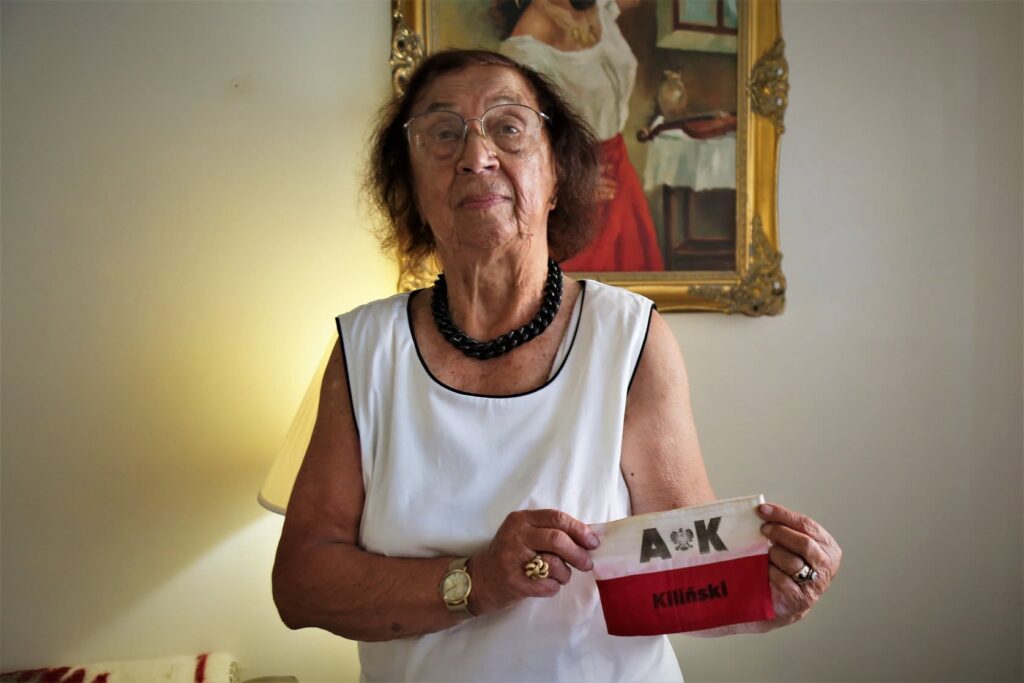
Danuta Szlajmer – During the Warsaw Uprising, she was a medic and courier with the Grey Ranks (Szare Szeregi). She died on August 21 in Warsaw, where she spent the last months of her life. She was born on August 19, 1927, in Chełmce in Kuyavia. She died just after her 99th birthday. For more than 50 years she lived in New York, where she served as honorary commander of Post 123 of the Polish Army Veterans Association of America. She held the rank of lieutenant. She was the daughter of Wanda and Ludwik Kremp, who moved from Poznań to Warsaw in 1937. Ms. Szlajmer’s father worked in the office of the “Tudor” company, headquartered in Piastów near Warsaw. Her mother ran a tailoring workshop in the same building where they lived. After World War II broke out, Ms. Szlajmer, then a teenager, attended secret classes and was active in the Grey Ranks, preparing for the role of courier and medic. She used the pseudonym Siódemka (“Seven”) at the time. Her parents were also involved in the underground, and above all hid Jews, for which, after many years and long efforts by their daughter and her husband, they received the title and medal of “Righteous Among the Nations.” When the Warsaw Uprising broke out, Ms. Szlajmer was assigned to the “Kiliński” Battalion, with which she took part in, among other things, the fight for the PAST building. She was not yet 17 at the time. After the capitulation and laying down of arms, she was first sent to a camp in Ożarów, then to the Lamsdorf prisoner-of-war camp (Stalag 344), and then transported to a labor camp in Mühlberg, where she worked in a rubber factory in nearby Piesteritz. After liberation by the Americans, she returned to Warsaw, where from 1946 she ran a fotoplastikon with her parents; it is now part of the Warsaw Rising Museum. For her work for Poland’s independence, she was awarded the Cross of Valor, the Home Army Cross, the Warsaw Uprising Cross and the “Pro Patria” Medal.
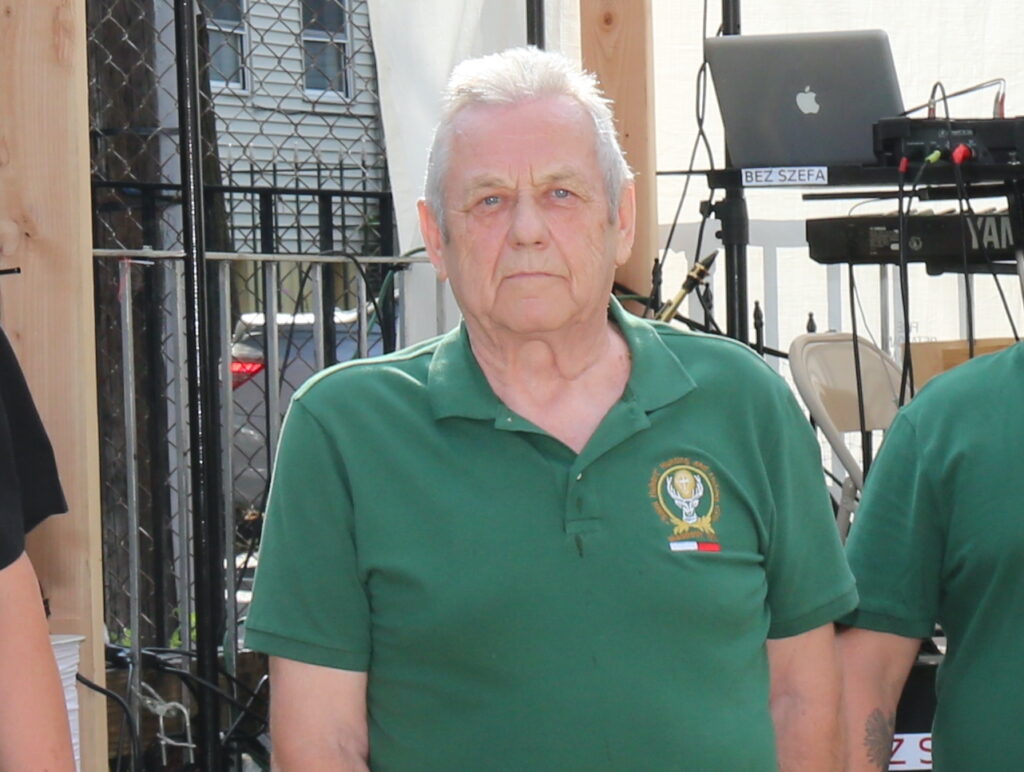
Ryszard Maks – He died on June 27, 2026, at the age of 77. He was a Polonia activist associated mainly with Holy Cross parish in Maspeth, where he was involved both in church service and in various Polonia events organized there. In September 2010, together with several hunters, he founded the Saint Hubert Hunting and Fishing Club, which also operates at Holy Cross Church in Maspeth. From 2013, for many years, he served as its president. The organization often helped with various parish projects and served a representative role during important patriotic and church celebrations in the Polonia community. He was very close to the community gathered around the Polish parish in Maspeth. He was always ready to help anyone in need. He was sincere and direct, even in recent years, when he was in poor health and often lacked strength. He was a very open person and was not afraid to express his opinions. Ryszard Maks was laid to rest at Calvary Cemetery in Queens.
Author: Wojtek Maślanka
Source: Nowy Dziennik