


The Central Arizona Project (CAP) is ending its funding for artificial precipitation meant to increase snowfall at the headwaters of the Colorado River. The decision was made at the agency’s most recent board meeting.
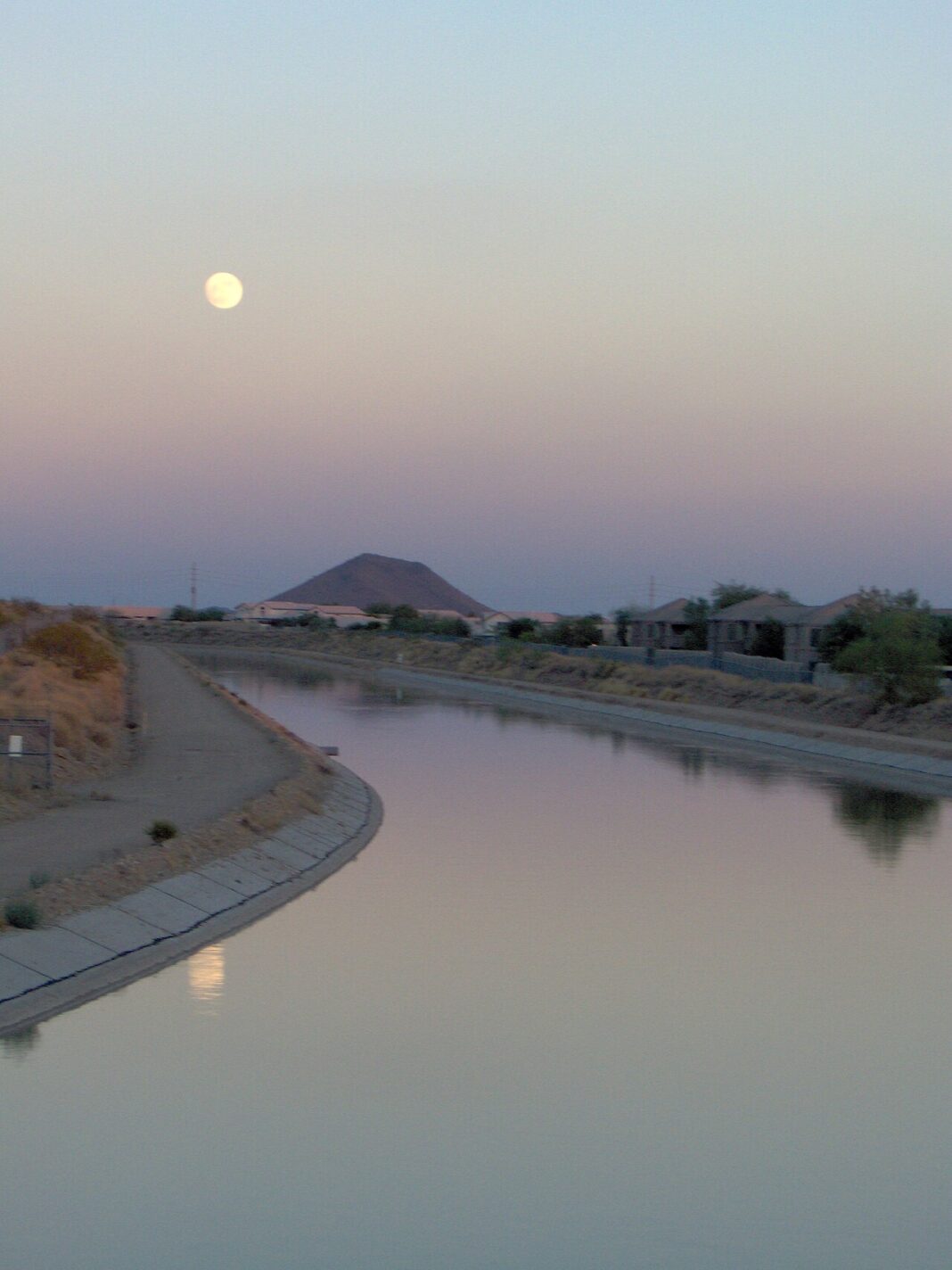
CAP manages a 336-mile (about 541 km) canal that carries Colorado River water across the desert to the Phoenix and Tucson areas. Since 2007, the agency has taken part in a joint program under which cloud-seeding equipment operates in Colorado, Utah and Wyoming.
By a narrow margin, the board did not renew funding for the next phase of the program. A motion to extend the agreement was rejected 8-6. Some board members pointed to doubts about the method’s effectiveness.
Stephen Miller, a board member who voted against, said science confirms the method works, but its effect is difficult to measure. Alexandra Arboleda, a representative of Maricopa County, said she has trouble seeing the benefits for CAP and its customers. April Tornquist, who voted in favor of renewal, said that even 10% more precipitation from a seeded storm would be worth the effort.
The decision comes amid a broader dispute over Colorado River water. The federal government has presented a plan to limit withdrawals that could reduce the amount of water flowing to Arizona, California and Nevada by as much as 40%, and the deepest cuts could fall on CAP. The state of Arizona and CAP have joined a lawsuit against the federal government over the plan.
The program was funded jointly with other water users. The Southern Nevada Water Authority and a group of six California water agencies sent letters to CAP urging the board to continue funding cloud seeding in the Rocky Mountains. Arizona’s Lower Basin allies have already pledged to fund further work in the Upper Basin in the future.
At the same meeting, the board approved an agreement that will allow Arizona cities and other water providers to leave some of their water in Lake Mead over the next two years in exchange for long-term water credits.
Source: CPR News, KJZZ
KN
