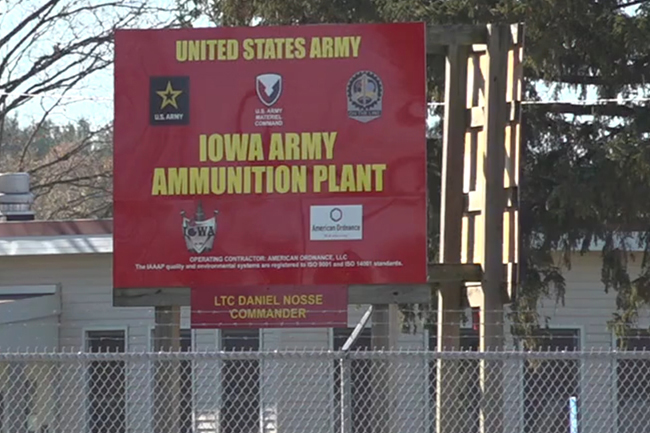


The U.S. Army will go ahead with the detonation of hazardous chemicals in Iowa. It is scheduled for Wednesday.
Hazardous lead dust could reach Illinois, as well as Wisconsin and Michigan. The Army plans to invoke emergency provisions to avoid complying with a court order that halted plans to detonate several tons of chemicals used to make bombs in Iowa, arguing that further delays will increase the danger as colder weather arrives. “To protect its personnel and surrounding communities, the Army must take swift action,” government attorneys said in a filing submitted Saturday evening to the U.S. 8th Circuit Court of Appeals. “Protecting human health and the environment requires action now, not delay,” they added.
The Army said it plans to detonate the chemicals on Wednesday “to ensure optimal weather conditions” and to allow all mitigation measures to be put in place. Environmental groups criticized the move by Donald Trump’s administration, condemning it as a maneuver to get around the court order and avoid public demands for safety and transparency. Last Thursday, the appeals court granted environmentalists’ request to suspend the permit that had cleared the way for the detonation in Middletown, a small town about 160 miles southeast of Des Moines.
The detonation was originally planned for Friday, but the Army later announced it would postpone the operation until Monday because of intense public concern about the potential effects on health and the environment. Environmentalists called for a review of the emergency permit, which was approved earlier this month by the U.S. Environmental Protection Agency (EPA). In a statement released Sunday, the Iowa Environmental Council, the Sierra Club and Earthjustice challenged claims that all alternatives had been adequately considered.
“Over the weekend, the Army seemed more interested in finding a way around the court process than in meeting the public’s demands for greater transparency, notification of affected communities, and much stronger protection of people, property and the environment from serious harm,” said Thien Chau, an attorney with Earthjustice. Government attorneys said the Army does not need a permit to take emergency action in the face of an imminent threat from explosives. They said the standards of the federal hazardous waste law do not apply in situations where there is an immediate threat to health, safety or the environment, as determined by an explosives or munitions emergency response specialist.
Lead is a powerful toxin that can damage the brain and nervous system, especially in children. The Army said it “will take the most stringent remedial measures available to eliminate any threat to the public.”
BK
Source: Polski.FM