
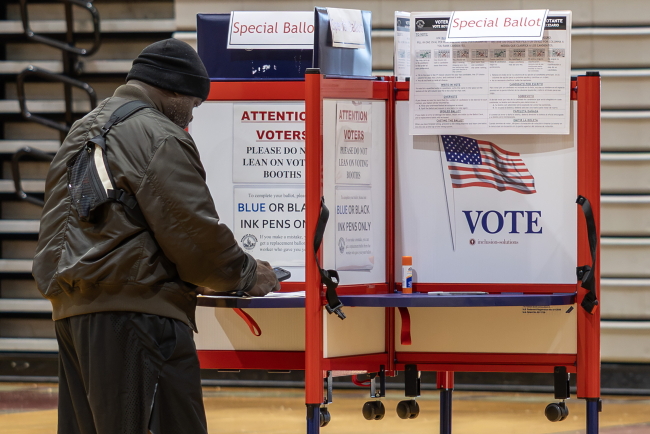


A proposal for a one-time tax on the wealth of billionaires in California is headed for defeat in a referendum held alongside yesterday’s midterm elections. With about 60% of votes counted, 55.6% of voters opposed the initiative and only 44.4% supported it. According to the San Francisco Chronicle, the remaining ballots are unlikely to change the outcome.
Proposition 40 called for a one-time tax of 5% of the net worth of about 200 billionaires living in California. Supporters estimated that the measure could raise about $100 billion, which would go primarily toward supporting public health care affected by cuts in federal funding.
The tax faced an expensive opposition campaign, backed by, among others, Google co-founder Sergey Brin. Opponents raised hundreds of millions of dollars and argued that the new burden could prompt the wealthiest residents to leave California, which in the future would reduce revenue from other state taxes. Ads aired before the vote also warned that similar taxes could be introduced for less affluent residents. Outgoing Gov. Gavin Newsom also came out against the initiative, as did the United Domestic Workers union, which represents about 250,000 home care and child care workers. The union argued that a one-time tax would not provide a lasting solution to budget problems.
Supporters of the initiative, meanwhile, pointed to growing wealth inequality and the need for the richest to contribute more to funding public services. Nobel Prize-winning economist Joseph E. Stiglitz, in a statement provided to AFP by the International Capital Tax Commission, stressed the significance of the referendum itself. “Meaningful change rarely follows a straight line,” he said. He noted that Proposition 40 was the first to put a billionaire wealth tax on a ballot in the United States.
The vote took place as part of elections for Congress and state offices, in which Democrats scored significant successes in various parts of the U.S. Even so, voters in California, a state dominated by the Democratic Party, initially came out against the proposed tax.
Ed. JŁ
