

The U.S. Environmental Protection Agency (EPA) said Saturday that it detected no increase in lead levels in drinking water after the controlled detonation of nearly 5 metric tons of lead azide in Iowa.
The EPA analyzed 38 samples taken after the blast from public water sources near the town of Middletown. It tested both treated drinking water and untreated water from the intakes. According to the agency’s Thursday statement, air tests conducted within 30 hours of the explosion showed zero lead. Soil sample testing is still under way.
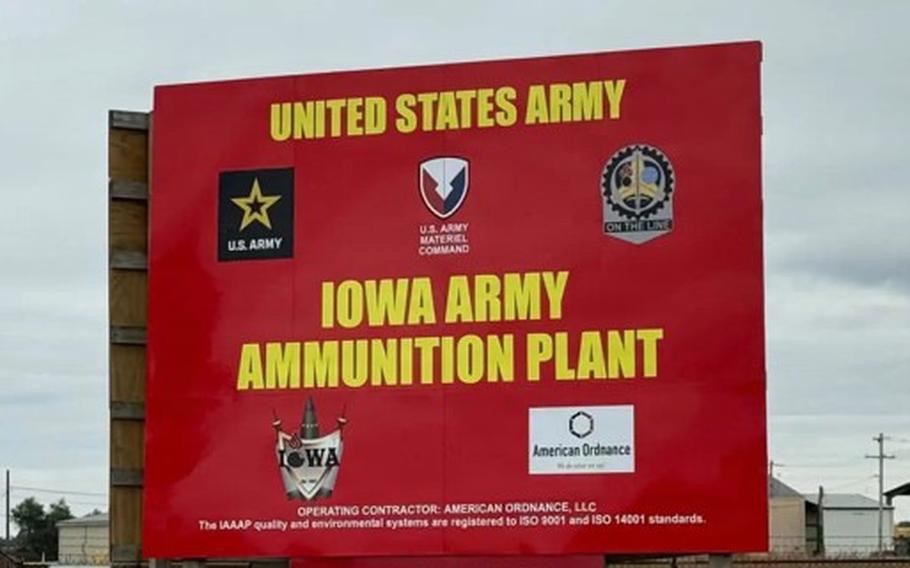
The Army detonated 68 barrels of lead azide stored at the Iowa Army Ammunition Plant at about 9 a.m. Wednesday. The facility is about 10 miles from the Illinois border, across the Mississippi River. Forecasts projected that any dust would be carried southwest by the wind, across Iowa toward Missouri and away from Illinois. Illinois Gov. JB Pritzker said after the blast that the state should be affected only minimally, but that it remains on standby and is monitoring the situation.
The stockpile of lead azide, an explosive the military uses to make ammunition, was brought to Iowa in 2009. An inspection in March found crystals on the outside of the barrels. According to the Army, that indicated the material was unstable and carried a risk of an uncontrolled explosion during packing and transport. Officials therefore concluded that the safest course was to destroy it on site.
Robert Cekada, director of the Bureau of Alcohol, Tobacco, Firearms and Explosives (ATF), said the charge was directed deep into the ground to limit the release of lead into the atmosphere. Gen. Eric Shirley of the Army Sustainment Command said the detonation went better than expected and that all of the azide was destroyed. Before the blast, federal authorities had advised residents of the area to evacuate or stay indoors. No damage was reported.
The detonation plan drew opposition in Iowa, Illinois and Missouri. The date was pushed back several times, and lawmakers from both parties asked the Army for additional information. Environmental groups in Iowa tried unsuccessfully to stop the blast in court. FEMA head Cameron Hamilton said further testing would be conducted in the coming days, and NASA sent aircraft to monitor air quality over southeastern Iowa.
Source: Block Club Chicago, ABC7 Chicago
KN
Source: Polski.FM