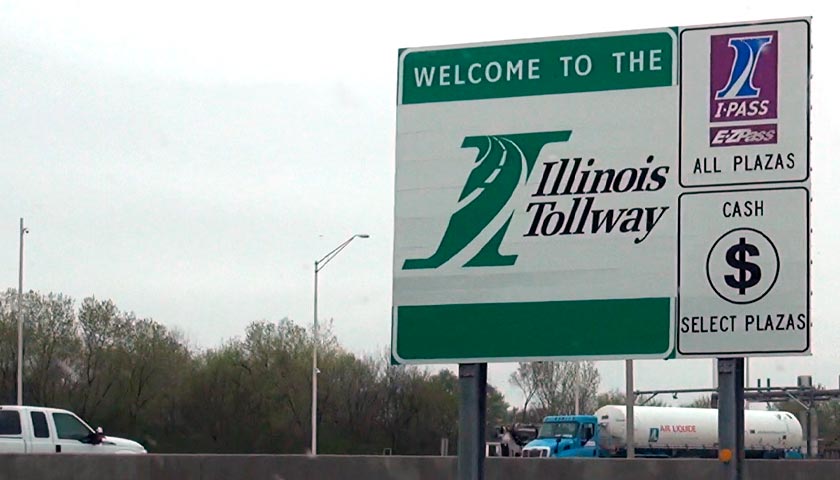


Holiday trips next year will cost more because of higher tolls on Illinois toll roads. Starting Jan. 1, passenger car rates will rise by an average of about 45 cents, to $1.24 per trip.
For a commuter who passes through two toll plazas every day for 50 weeks a year, that means an extra $225 a year. Starting in 2029, automatic increases tied to the inflation rate may also be introduced every two years, without requiring additional approval from the board of the road operator, the Illinois Tollway.
The Illinois Policy Institute projects that by 2055, passenger car toll rates will triple from their current level. In 2027, along with higher travel costs, turkey and other items needed for a Thanksgiving meal may also become more expensive. Tolls for commercial vehicles will rise by 30%, which could translate into higher prices for consumer goods transported through Illinois.
Although the increase met with strong opposition, with 76% of online commenters expressing a negative view, it was introduced to carry out an agreement between Gov. JB Pritzker and labor unions intended to provide financial support for public transit in the Chicago area. It is worth noting that two members of the tollway board who unanimously backed the increase, Jim Connolly and Jim Sweeney, represent labor unions whose members could find work thanks to funds raised from these very tolls.
Gov. Pritzker appoints the board’s members and also sits on it himself by virtue of his office. Although the increases and the investment plan were presented as necessary to improve the safety and capacity of the toll roads in light of projected traffic volume, all lanes on these roads are rated as being in “acceptable” condition, well above the statewide average.
2026 is the second year of the Illinois Tollway’s seven-year capital plan, “Bridging the Future,” which was launched to maintain and modernize infrastructure while keeping existing toll rates in place. When the Illinois Tollway system was launched in 1953, its motto was “By 1973, no tolls.” More than 50 years later, Illinois residents are still paying, and starting in January, further financial burdens await them.
BK
Source: Polski.FM