
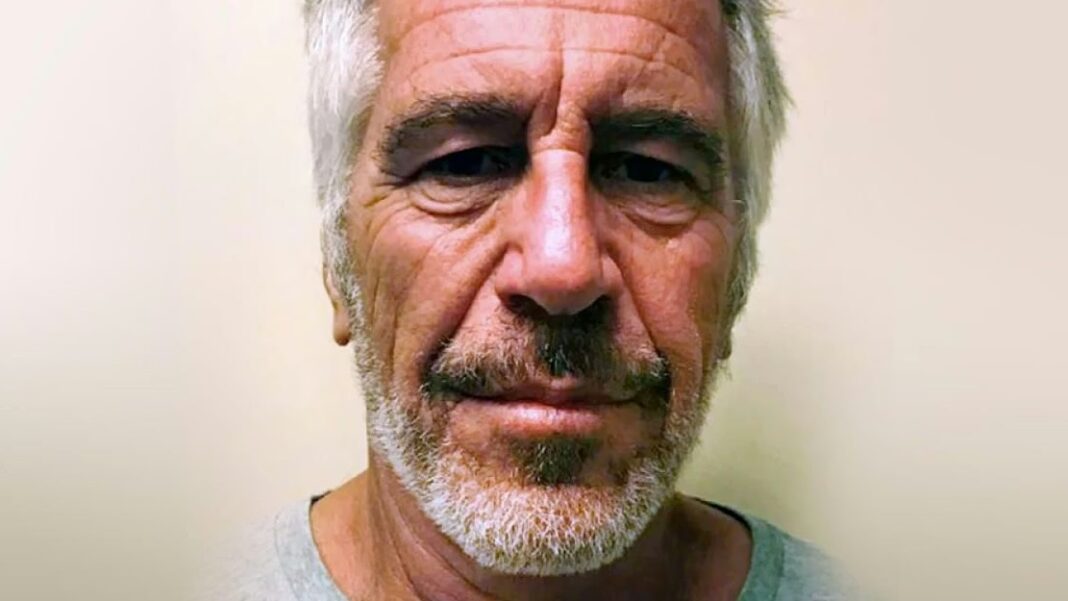


Professor Michael Freeman, a forensic medicine expert, has challenged the official findings on the death of Jeffrey Epstein, the financier convicted of sex crimes. In an interview with BBC Newsnight, he said the injuries visible in the medical records point to the possibility that Epstein was strangled and that a suicide was then staged. His conclusions contradict the official ruling of the New York City medical examiner’s office, which found that Epstein’s death was a suicide by hanging.
Epstein was found dead on Aug. 10, 2019, in his cell at the Metropolitan Correctional Center in New York. He was awaiting trial on sex trafficking charges, including the exploitation of underage girls.
After an autopsy, his death was officially ruled a suicide. Dr. Barbara Sampson, then New York’s chief medical examiner, repeatedly defended that assessment.
“I firmly stand by our findings on the cause and manner of Mr. Epstein’s death. The cause was hanging, and the manner of death was suicide,” she said.
Freeman reviewed the records and photographs produced during the original forensic investigation. Among other things, he pointed to a deep hemorrhage on Epstein’s left arm, injuries that in his view could indicate a blow to the face, and marks resembling fingernail scratches above the ligature groove on the neck. According to the professor, such injuries could be consistent with a person who is being strangled from behind and trying to free himself from material tightening around his neck.
Freeman put forward a hypothesis that Epstein was first strangled with a ligature and that his body was then hung from a bunk bed.
“The injuries and the way the body was found do not fit together,” he said, concluding that homicide is the most likely explanation for Epstein’s death.
The expert presented his findings during a talk at University College London on Monday and then published his analysis along with the documentation. He received the materials from Mark Epstein, the late financier’s brother, who has questioned the official account of events for years. Freeman said his assessment is independent and that he was not paid for it by the family. He did not, however, examine the body himself, relying solely on available records and photographs.
In the past, Freeman served as an expert for the U.S. attorney general’s office in cases involving deaths of people in police custody, including proceedings related to the death of George Floyd.
Editor: JŁ
Source: Nowy Dziennik
