
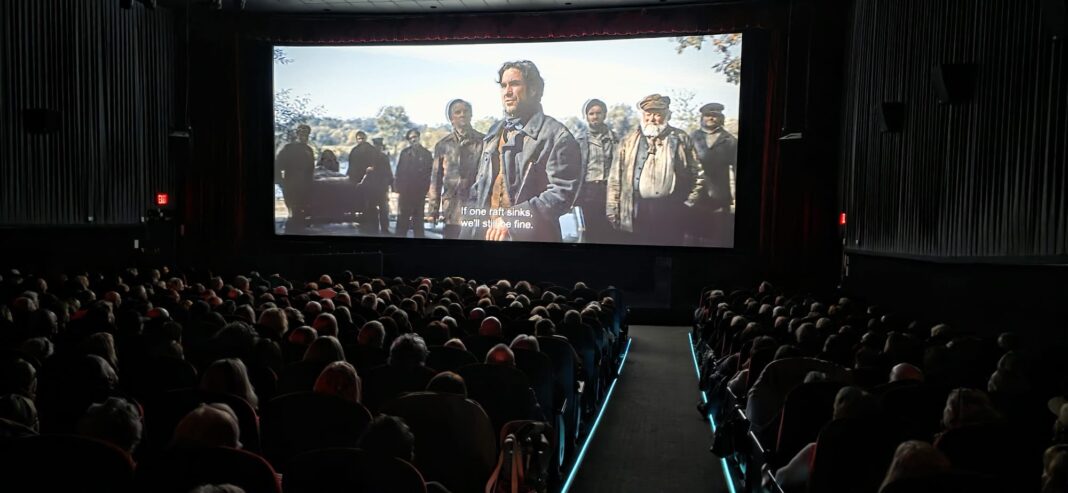


Viewers had nothing but praise for the latest big-screen adaptation of Bolesław Prus’s novel “Lalka” (“The Doll”). “Beautiful locations and great acting,” “Perfectly cast,” “A great film that I’d gladly see again” were some of the comments from people leaving the SVA Theatre in Manhattan, where the New York premiere of Maciej Kowalski’s latest production took place.
***
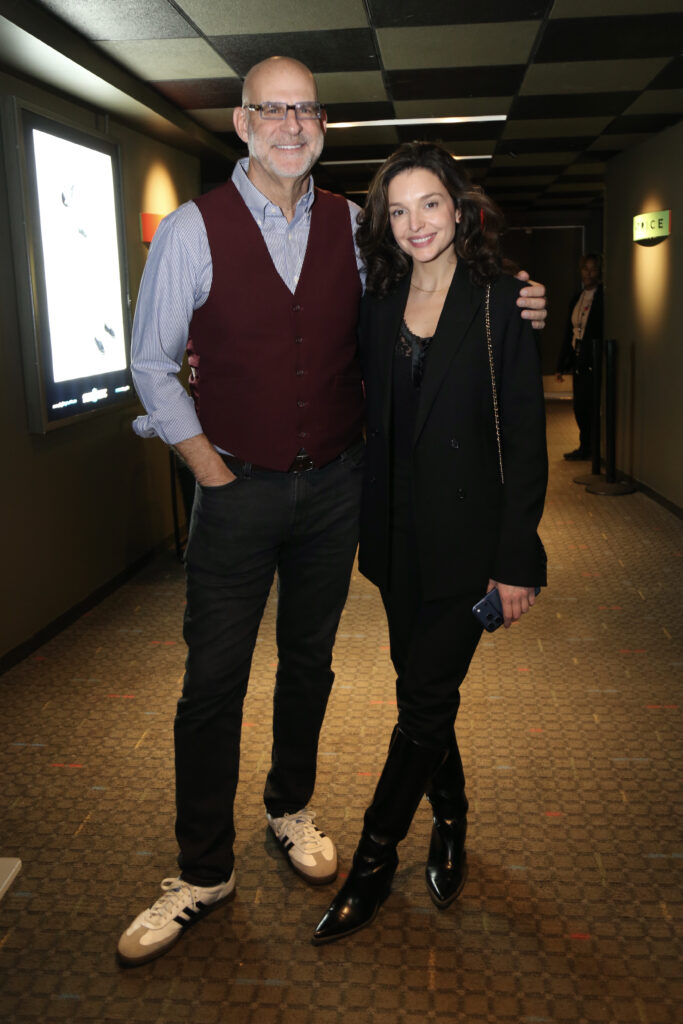
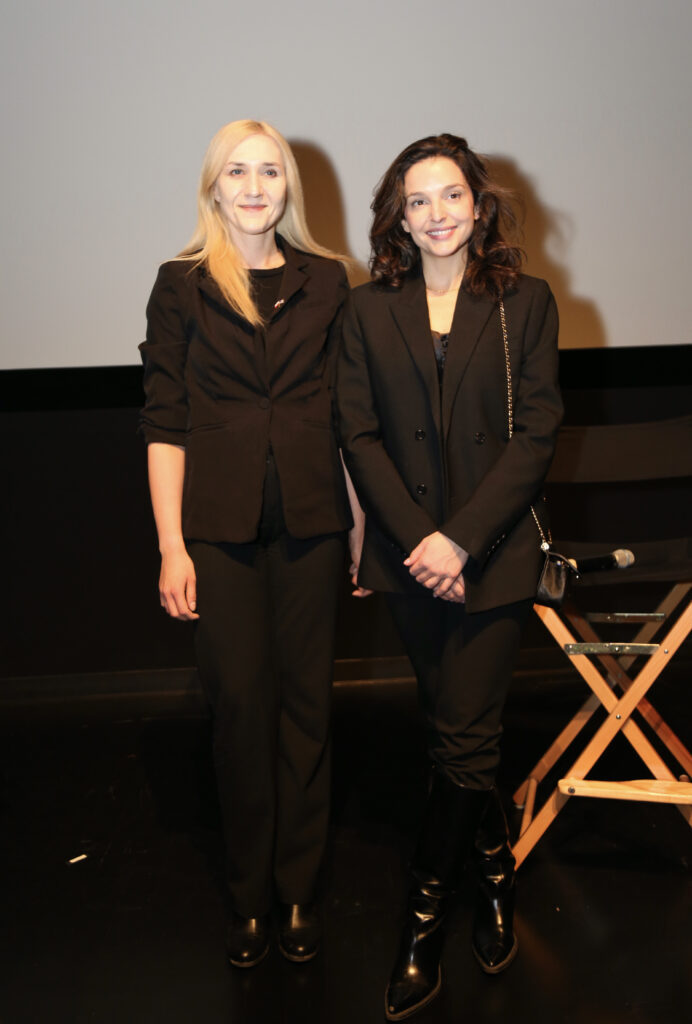
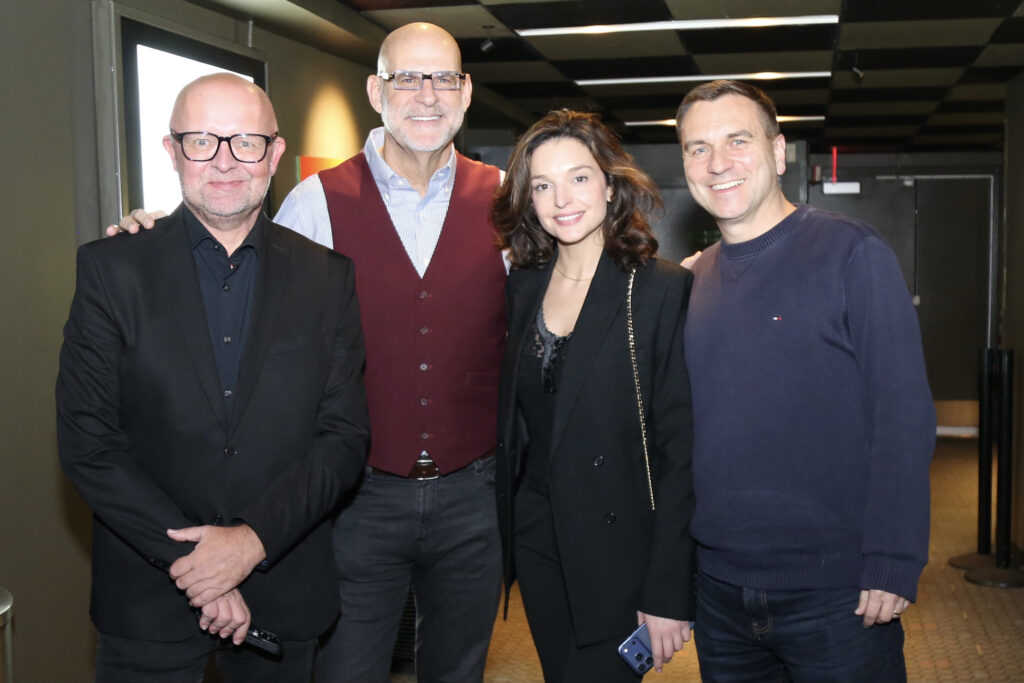
The Polish Film Festival North America 2026 has arrived in the Big Apple. On Sunday, Nov. 15, New York audiences had a chance to see two films: “Lalka” and “Przez ścianę.” Screenings of the former were sold out both on Long Island at South Bay Cinemas and in Manhattan at the SVA Theatre, where the auditorium seats nearly 500 people. Maria Dębska, who plays Kazimiera Wąsowska, attended the screening of “Lalka” at that theater. Wąsowska is a young, wealthy, emancipated, intelligent and witty aristocratic widow who is madly in love with Stanisław Wokulski. The actress also stars in the second film, “Przez ścianę,” which was likewise shown at the SVA Theatre in Manhattan. In the production, directed by Maciej Sobieszczański, she plays Wiesława Pajdak, a 27-year-old anti-communist underground activist arrested in 1947 and imprisoned in Warsaw’s Rakowiecka Street prison. In both films, though they differ greatly in form and in the era they portray, she handled her roles superbly, proving that she can play any part. Harlan Coben, the well-known writer and author of crime novels that Netflix has been adapting for several years, and who is also an executive producer of those adaptations, spoke with great esteem about her skill and talent. He attended the screenings of both films in Manhattan. “She is one of the most talented actresses in the world. Working with her on ‘Tylko jedno spojrzenie’ was an honor for me. We could have chosen almost any actress in Poland, but we didn’t want to work with anyone as much as with Maria Dębska,” Coben told Nowy Dziennik, a Polish-language daily in New York. “You can see the enormity of her talent when you watch ‘Lalka,’ ‘Przez ścianę’ and ‘Tylko jedno spojrzenie.’ Those are three very different roles and one very talented actress. I think she will also make a very good producer. She came up with an idea that I like, and I hope we will make together the film we are working on. So yes, I think she is amazing in every respect,” said the writer and series producer. He was also delighted with the screening of “Lalka” and with the atmosphere at the film’s premiere at the SVA Theatre in Manhattan. Vice Consul Paulina Waleszczak also attended the screening and was likewise delighted with the new adaptation of “Lalka.”
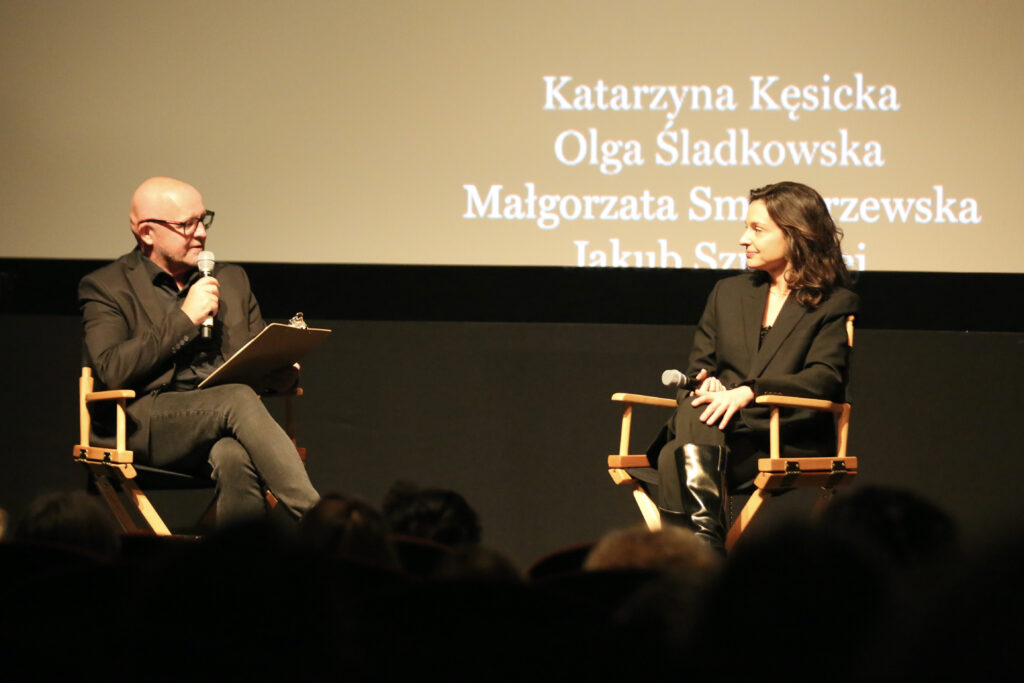
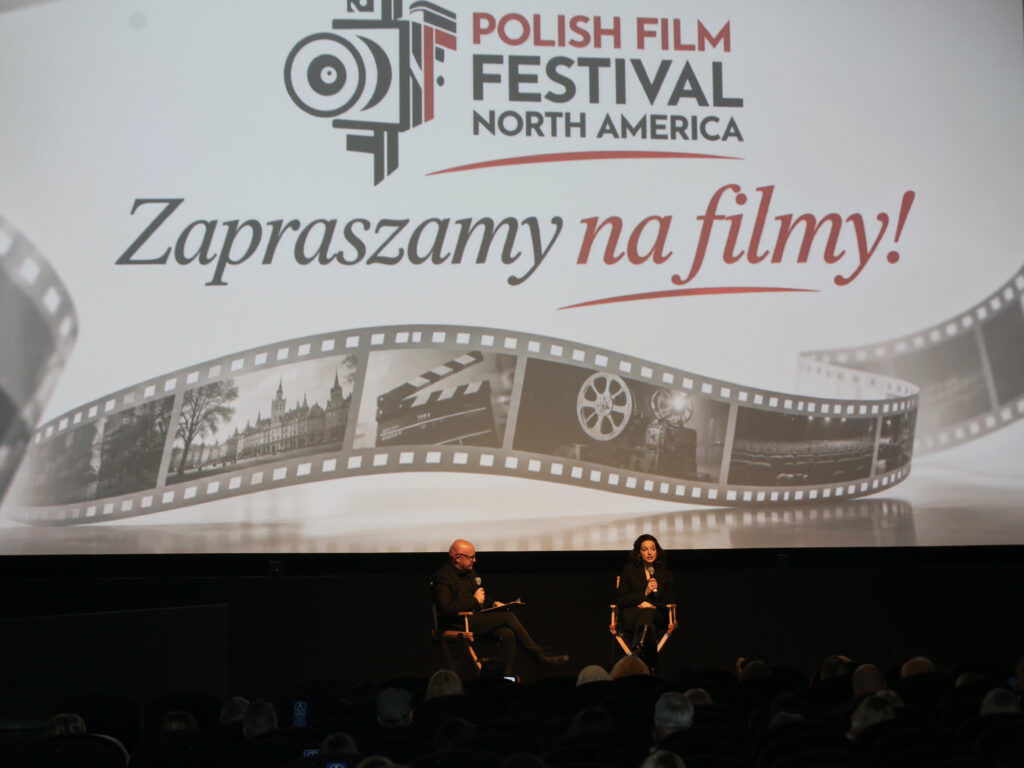
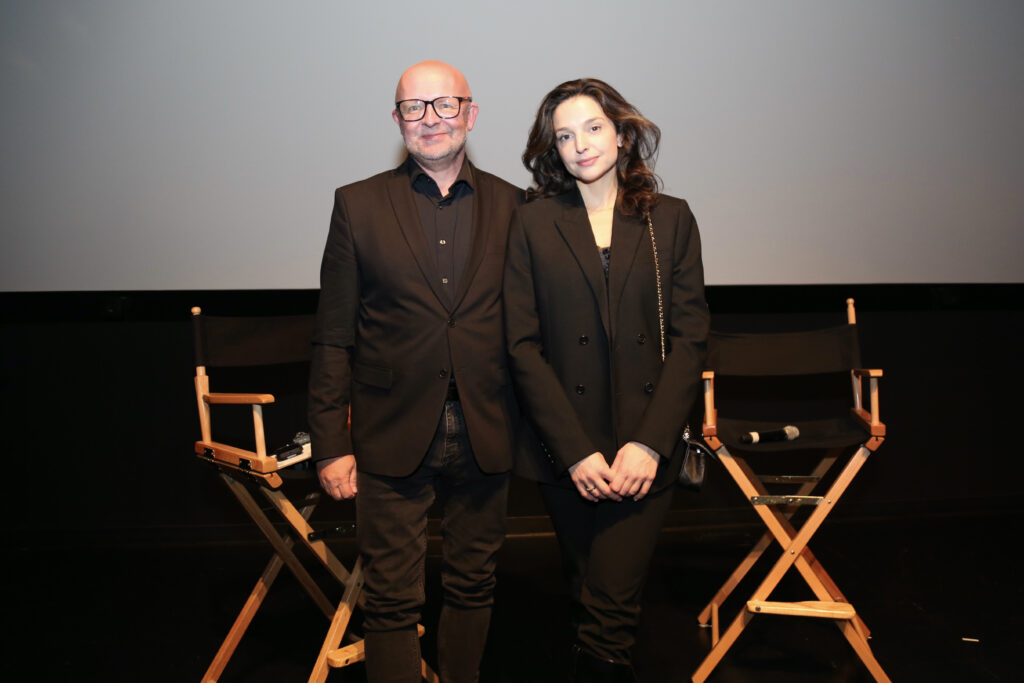
Between the screenings of the two films, a meeting with Maria Dębska was held, moderated by Jacek Kita on behalf of the organizers of the Polish Film Festival North America. During the conversation with the actress, who appears in both films being shown, the audience had a chance to get to know her a little better. Dębska spoke, among other things, about her fascination with Bolesław Prus’s novel and about the character she was to play in the film adaptation. “When I read the book in high school, ‘Lalka’ was one of my favorite readings, and the character I later played in the film was also my favorite. So when I got the offer, I immediately said ‘yes,'” the actress said. She added that before starting work on the adaptation, she reread “Lalka.” “Then I understood it much more deeply and was moved much more strongly. The second time, I also read it differently, and it seemed to me much more universal,” Dębska said. She also acknowledged that although the novel was written 150 years ago, it remains incredibly relevant. “‘Lalka’ is also a story about the fear of war, which we feel today as well, a story about social differences, about hard work and the cult of it,” the actress explained, adding that if the actors wore different, more contemporary costumes and had to play the roles from “Lalka,” it would also be an interesting film with a similar message. Answering questions, she also spoke about the emancipation and equal rights of women, a topic that began to emerge in the 19th century and was cleverly worked into the novel by Bolesław Prus. Asked about her dream film role, she answered without hesitation that she would like to be cast as a pianist someday. “I played the piano all my life, for 15 years, and at the last moment I escaped from classical music to acting. That is my big dream,” Dębska revealed. She also talked about her work in television series, including Harlan Coben’s production for Netflix, which more than 40 million people around the world have watched. She also revealed that she is currently working on her own film project in New York, which is why she often visits the Big Apple.
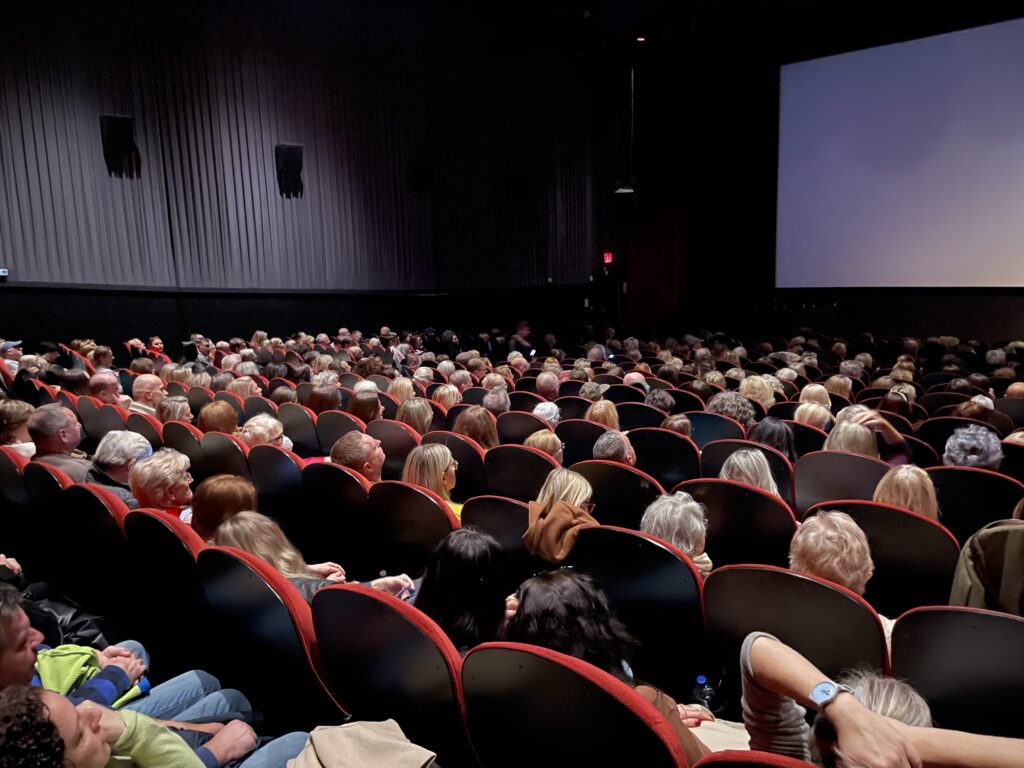
Like the audience, Dębska is very pleased with the film adaptation of “Lalka” in which she appeared. She likes the production very much and is delighted with its popularity. “It was our goal to bring people to movie theaters, because we believe that experiencing films together in a dark theater, on a big screen, is special,” the actress told Nowy Dziennik. She added that she also loves TV series and likes to watch films sitting on the couch, but in her view the cinema has an extra magic. “It’s shared emotion and shared laughter. That’s something we won’t experience at home,” Dębska said. She also noted that both “Lalka” and “Przez ścianę” were made for big screens, and that people are increasingly willing to go to the cinema, which the pandemic nearly destroyed. She added that proof of this is the fact that almost 3 million people in Poland have already seen “Lalka,” which she is very happy about.
Text and photos: Wojtek Maślanka
Lead photo: Kazimierz Szosler

Source: Nowy Dziennik
