
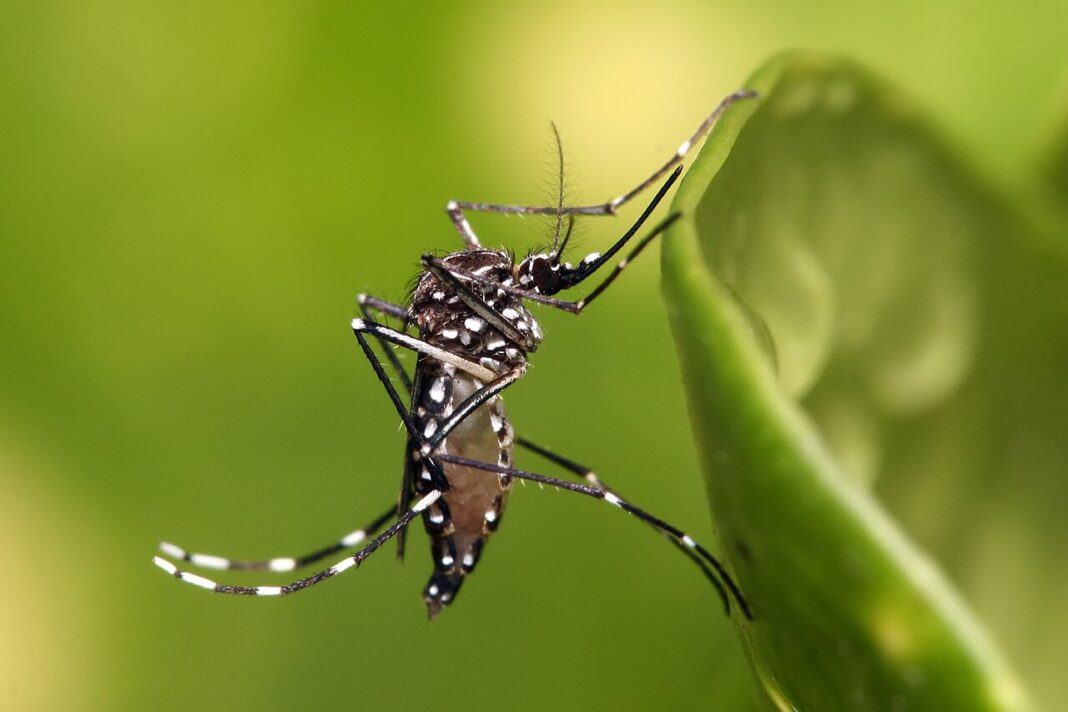


Health officials warn that after recent heavy rains, standing water has collected on roads, in parking lots and on playgrounds in South Florida. They fear it is fueling the spread of mosquitoes and will worsen the dengue outbreak.
According to the Sun Sentinel, Florida is the center of locally acquired dengue infections in the U.S. Health officials fear that flooded areas will make the situation worse. The state has recorded more than 880 cases of the disease this year. Eva Buckner, an entomologist at the University of Florida, described the current outbreak as unprecedented in an interview with WUSF.
Mosquitoes lay eggs in or near standing water. Officials note that an amount of water the size of a bottle cap is enough if it sits for more than a week. Mosquitoes can then breed in it.
Adriana Toro, deputy director of mosquito control in Broward County, said crews are working with the Department of Health. Whenever dengue is suspected, the health department notifies mosquito control. Spraying then intensively covers blocks of homes in the area the case may involve.
Mosquito control experts note that the peak of dengue season runs from July through September. The current alert shows, however, that the risk does not disappear when that period ends. According to WUSF, mosquito-borne illness alerts are in effect in Miami-Dade County, among others. They are also in effect in several other counties, including Hillsborough and Pinellas.
The advice for residents is simple. Use mosquito repellent and remove anything around the home that can collect water. These are the places where Aedes mosquitoes breed. People who develop a sudden fever after mosquito bites in South Florida should see a doctor and say where they have been. Severe abdominal pain, repeated vomiting, bleeding or sudden drowsiness require immediate care in an emergency room.
Source: Sun Sentinel
KN
Source: Słoneczne Radio
