


A potassium-enriched variety of salt could prevent millions of deaths from strokes and heart disease, according to the journal Nature Health.
Worldwide, one in three adults ages 30 to 79 has high blood pressure (hypertension), or about 1.4 billion people. Cardiovascular disease (CVD) is the leading cause of death and disability. In 2023 it led to 19.2 million deaths, an increase of nearly 50% over the past 30 years.
Researchers at the international George Institute for Global Health (Australia) assessed the health benefits of replacing commonly used table salt, or sodium chloride, with a potassium-enriched product. The analysis covered 193 countries.
Bruce Neal, a senior researcher at the George Institute, noted that in most countries as many as one in 10 deaths from cardiovascular causes could be avoided. Worldwide, that would mean preventing nearly 3 million deaths and 10 million new cases of cardiovascular and kidney disease every year.
“Excessive sodium intake combined with insufficient potassium intake are well-documented causes of high blood pressure, the main risk factor for life-threatening conditions such as strokes, heart attacks and kidney disease. Switching to potassium-enriched salt addresses both of these dietary problems at once, delivering measurable health benefits,” Neal said.
He added that while a worldwide switch to potassium-enriched salt is so far only a proposal, it is a starting point for discussing such a possibility. In his view, it is a solution with far greater potential and lower costs than many pharmacological treatments.
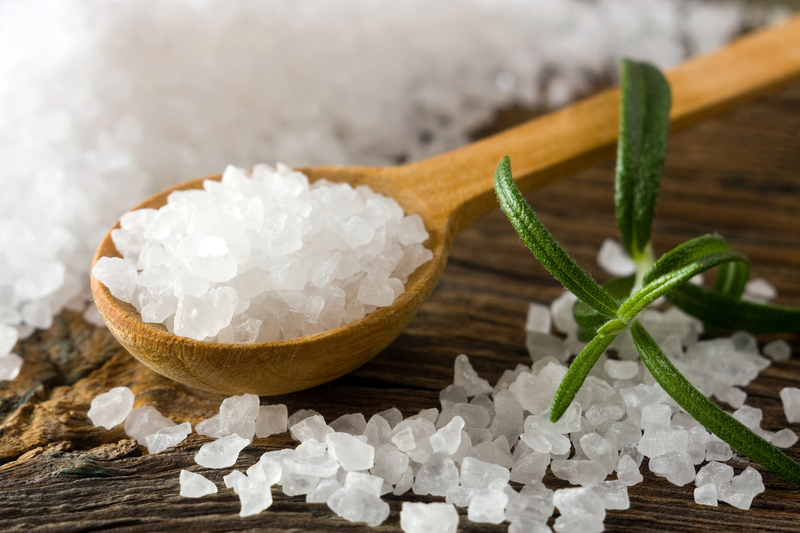
Potassium-enriched salt is made by replacing part of the sodium chloride, the main component of ordinary table salt, with potassium chloride. In appearance, taste and use in cooking, the product does not differ from traditional salt. In 2025, the World Health Organization (WHO) recommended the use of potassium-enriched salt to lower blood pressure and reduce the risk of cardiovascular disease.
The study examined a range of hypothetical scenarios, from completely replacing ordinary salt with its enriched counterpart worldwide to more targeted use, limited to people who have been diagnosed with hypertension and are being treated for it. Even in the most limited scenario, the researchers found significant health benefits.
Although the potential benefits are considerable, one challenge remains: the risk of high potassium levels in the blood (hyperkalemia) in people with advanced kidney disease. But the study found that even in this group of patients, the benefits outweigh the risks.
“People with serious kidney disease and those taking medications that significantly raise potassium levels in the blood must be cautious. The risk in this group can be effectively reduced through patient education, proper product labeling and medical supervision,” said nephrologist Professor Vivek Jha of the George Institute’s branch in India.
Professor Neal stressed the need to develop strategies tailored to the specifics of individual countries, depending on whether the main source of dietary sodium is salt used in the household or processed food.
“To fully realize the benefits of switching to potassium-enriched salt, it is essential to involve the food industry in Europe and North America, where more than 70% of salt intake comes from processed food and restaurant meals. It would also require finding ways to scale up production of potassium chloride to meet demand,” he said.
Paweł Wernicki (PAP)
